Accessibility & Performance
A website everyone can read, use and load, on any phone
We design and build websites against WCAG guidelines: readable text, strong contrast, keyboard and screen reader support, and pages light enough for a slow phone.
Sound familiar?
- I honestly don’t know if our website works for someone using a screen reader.
- Older customers tell us the text on our site is too small to read.
- We keep hearing about website accessibility lawsuits and don’t know where we stand.
- Our site crawls on a phone with a weak signal.
- Our brand colors look nice, but some of the text is hard to read.
What’s included
- An accessibility audit against WCAG, with automated scans and hands-on keyboard and screen reader checks
- Color contrast checks across every text and background pairing, in every theme
- Readable type: comfortable sizes, line spacing and no tiny print
- Full keyboard navigation with visible focus, and a clean heading structure with one H1 per page
- Meaningful image descriptions, labeled forms and real text instead of pictures of text
- A performance pass: properly sized images, modern formats and lighter pages
- A plain-language summary of what we found, what we fixed and what to watch
- accessibility violations on Adventure Motors’ and Bellicose Church’s sites
- 0accessibility violations on Adventure Motors’ and Bellicose Church’s sites
- color pairs contrast-checked across Bellicose Church’s three themes
- 82color pairs contrast-checked across Bellicose Church’s three themes
- font sizes raised at Poodie’s, so the smallest text went from 9px to 11px
- 269font sizes raised at Poodie’s, so the smallest text went from 9px to 11px
Why accessibility matters for a small business
Accessibility means people can use your website whatever their eyesight, hearing, motor skills or device. It sounds like a niche concern until you count who it covers.
- Customers with disabilities. People who use screen readers, navigate by keyboard, or need strong contrast are customers too. If they can’t read your menu or submit your form, they go elsewhere.
- Older customers. Small gray text and low-contrast buttons are hard for a lot of eyes. A readable site is a friendlier site for everyone.
- Legal risk. Website accessibility complaints and lawsuits have become more common for businesses of every size. We aren’t lawyers and don’t give legal advice, but fixing real barriers is the best way to reduce that risk.
- Search. Clear headings, real text and descriptive images help Google and AI answer engines understand your pages, too.
Speed is accessibility
Not everyone has a new phone and a strong signal. A page that loads instantly on office Wi-Fi can take ages on an older phone out in the country. Heavy pages shut those people out just as surely as tiny text does.
So we treat performance as part of accessibility. We size images properly, serve modern formats, cut what isn’t needed, and load heavy features only when someone asks for them.
Speed pays off twice. Visitors who would have given up on a slow page stay long enough to call, book or give, and Google pays attention to how quickly pages load on phones.
How we work
1. Audit what you have
We test your current site against WCAG, the widely used Web Content Accessibility Guidelines. That means automated scans plus hands-on checks: moving through every page with a keyboard, listening with a screen reader, and measuring contrast and page weight.
2. Explain it plainly
You get a short, readable summary of what’s blocking people and what matters most, without a wall of technical codes. We rank fixes by how many visitors they help, so the biggest barriers go first.
3. Fix it in the design and the build
Real fixes happen in the design and the code: colors, type sizes, headings, labels, focus states and page weight. We don’t rely on overlay widgets that paper over problems.
4. Keep it that way
New content can bring new issues. We build checks into our process and stay available to review changes as your site grows.
What it looks like in practice
Adventure Motors in Grandview went from a 5.5 MB homepage to about 250 KB, roughly 20 times lighter, and both of its sites have 0 accessibility violations.
Bellicose Church in Kansas City offers three color themes, default, light and dark, with contrast checked across 82 color pairs. The site has 0 accessibility violations and a single H1 per page, where the old home page had four.
Poodie’s Hilltop Roadhouse, a honky-tonk outside Austin, got a readability pass for an older crowd: 269 font sizes raised, so the smallest text went from 9px to 11px. The menu used to be two images. Now it’s real, searchable text that screen readers can read.
Ruff Studios lets visitors walk a 3D gallery with the keyboard on desktop. If a device can’t run 3D, visitors get a classic one-painting-at-a-time walk that works even with JavaScript turned off.
Why partner with Ember Digital
Honest answers. We’ll tell you what we found and what we fixed, and we won’t sell you a badge or a promise no one can keep.
Built in, not bolted on. Accessibility and speed are part of how we design and build every website, not an add-on at the end.
We stick around. We serve small businesses, churches and nonprofits in Kansas City, Austin and nationwide, and we stay available after launch to keep your site readable and fast.
Accessibility in our work
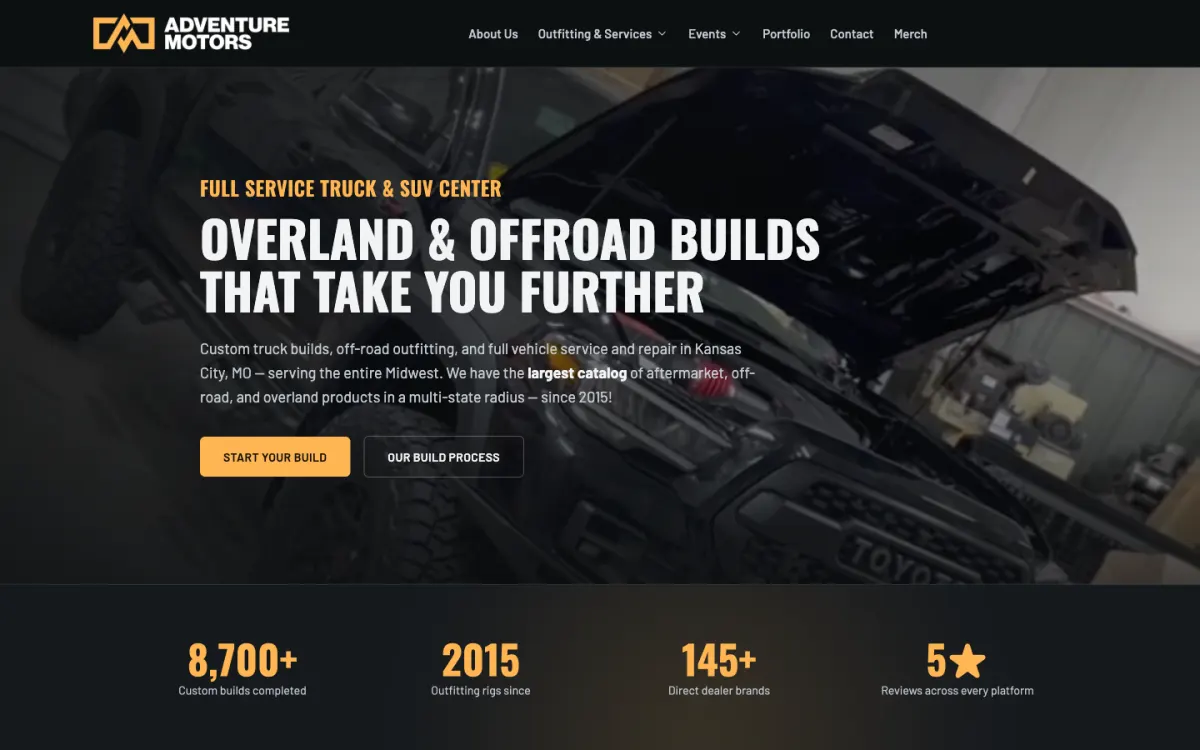
Adventure Motors & Adventure Motors Racing
Grandview, MO
One shop, two disciplines. We replaced a slow WordPress site and Calendly with two fast websites that work like a front desk, sending every lead and booking straight into Shopmonkey.
Read the case study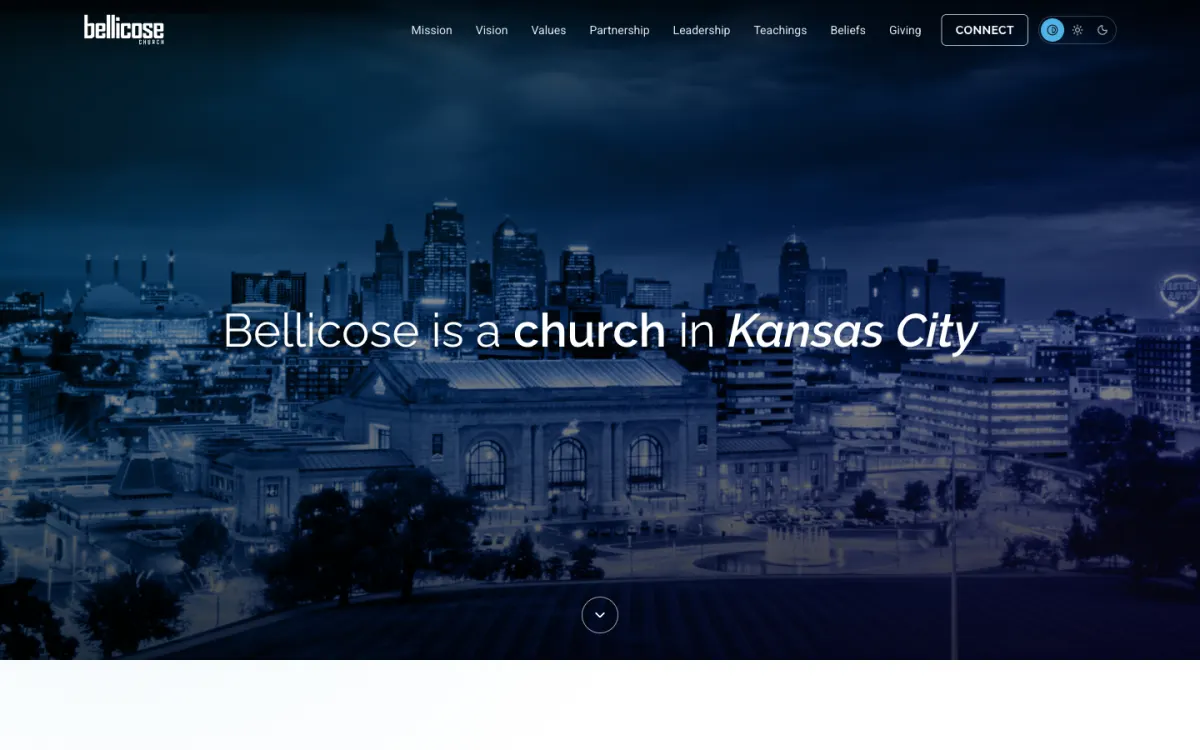
Bellicose Church
Kansas City, MO
Bellicose Church's website dated to 2014 and was showing visitors security warnings. We moved every word to a fast, secure, accessible new site and gave staff tools they can actually update.
Read the case study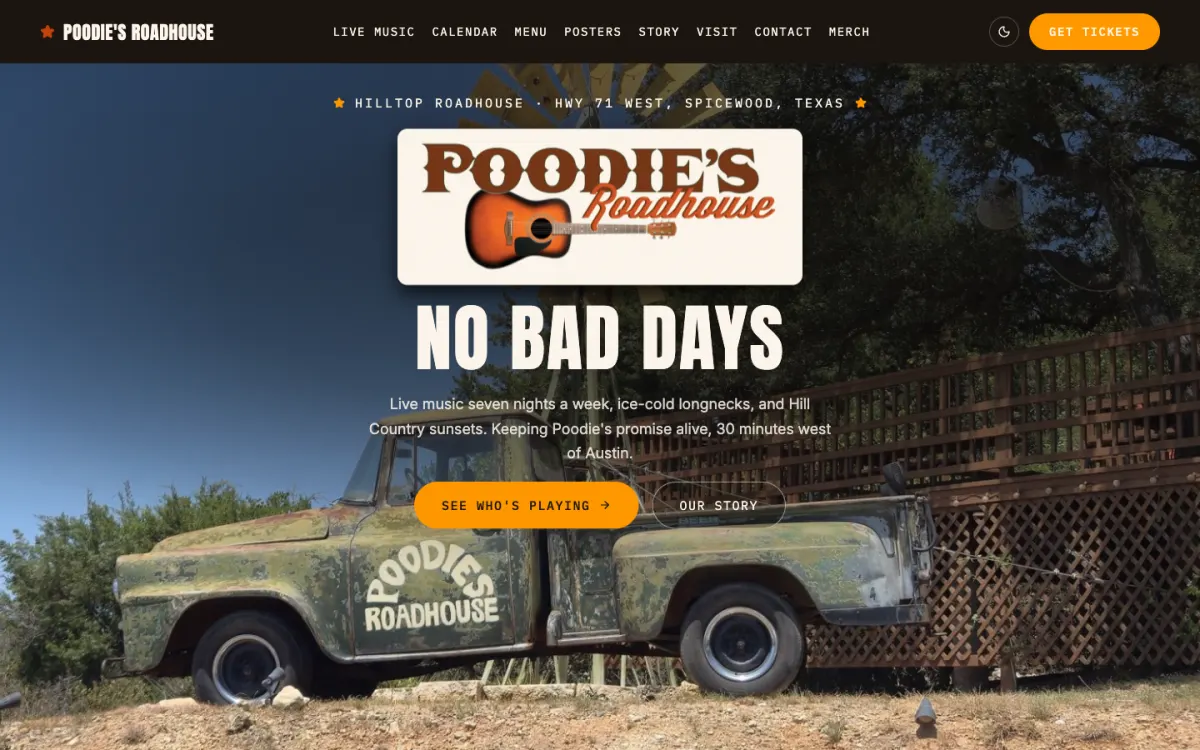
Poodie's Hilltop Roadhouse
Spicewood, TX (Austin area)
Poodie's Hilltop Roadhouse books live music seven nights a week. We replaced a hand-edited Dreamweaver site with one whose calendar updates itself from the venue's Google Calendar every night.
Read the case studyFrequently asked questions
Is my website ADA compliant?
We can’t say without an audit, and no one can honestly promise that a website is “ADA certified,” because no official certification exists. What we do is audit your site against WCAG, the widely used accessibility guidelines, and fix the issues we find. For questions about your legal obligations, talk with an attorney.
What is WCAG?
WCAG, the Web Content Accessibility Guidelines, is the widely used standard for making websites usable by people with disabilities. It covers things like color contrast, text alternatives for images, keyboard access and clear structure.
Does website accessibility help SEO?
Yes, much of it overlaps. Clear headings, descriptive image text, real text instead of images, and fast pages help search engines and AI answer engines understand your site, while also helping people use it.
Do accessibility overlay widgets fix my website?
No, overlay widgets don’t fix the underlying problems in your site’s design and code. Real accessibility comes from fixing contrast, structure, labels and keyboard access directly, which is how we work.